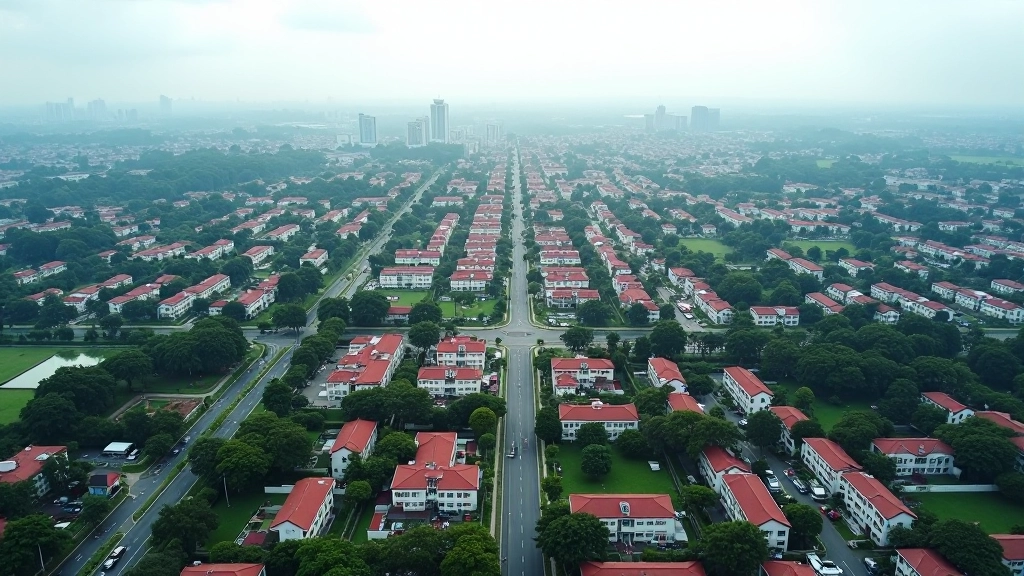

Understanding Malaysia’s Residential Property Price Indices
How property price indices track market movements and what rising or falling prices mean for your investment decisions.
Read MoreUnderstanding Malaysia’s latest government initiatives and how they’re reshaping residential property accessibility across the nation
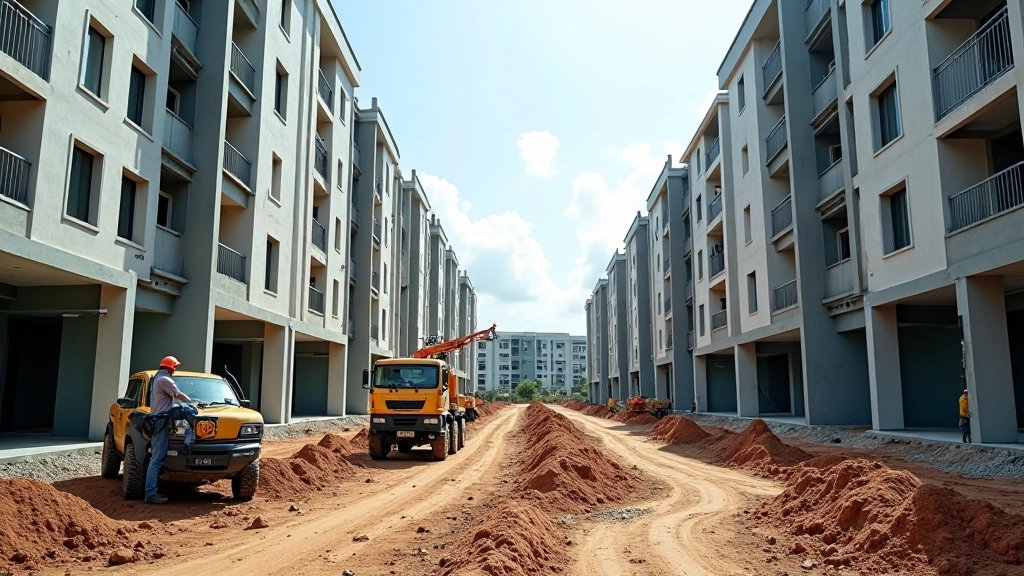
Housing affordability in Malaysia has become a pressing concern for millions. Home prices have climbed steadily over the past decade, making it harder for young families and first-time buyers to enter the property market. But things are shifting. The government’s launched several new initiatives in 2025 and 2026 that are actually starting to make a difference.
We’re not talking about vague promises here. These are concrete programs with real funding, timeline commitments, and measurable targets. From subsidized housing schemes to reformed mortgage lending practices, Malaysia’s affordable housing landscape is evolving. If you’re thinking about buying property or just trying to understand where the market’s headed, it’s worth knowing what’s actually changed.
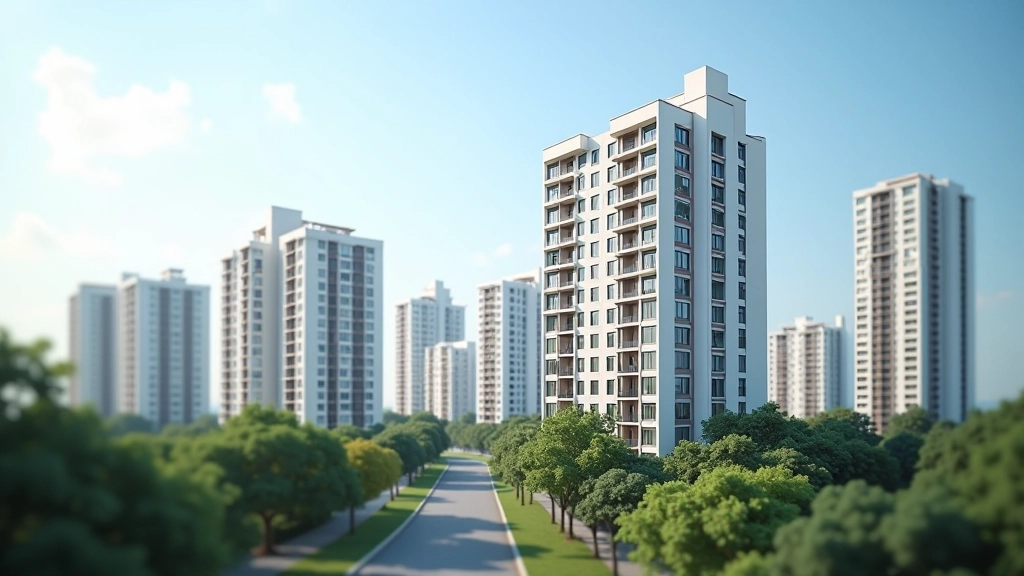
The government rolled out expanded versions of its affordable housing programs starting in early 2025. The most significant change? Budget allocation jumped. They’re now dedicating RM 15 billion across multiple initiatives over the next five years—that’s substantial funding for building and subsidizing homes.
The PR1MA (People’s Housing Programme) got a major refresh. It’s now targeting homes priced between RM 200,000 and RM 400,000 in urban areas, down from the previous RM 250,000–500,000 range. That price drop matters because it actually reaches the people struggling most—young professionals, teachers, nurses, and small business owners.
There’s also the new MyHome scheme launched last year that combines government backing with flexible down payment requirements. Instead of the traditional 10% down payment, first-time buyers can now put down as little as 5%. That’s not revolutionary globally, but in Malaysia’s context, it opens doors for thousands of households.


On the lending side, changes are happening too. Bank Negara Malaysia introduced updated lending guidelines in 2025 that’re making it easier for middle-income Malaysians to qualify for mortgages. The debt-to-income ratio requirements shifted slightly in borrowers’ favor—you can now carry slightly higher debt levels while still qualifying.
What’s more important? Transparency. Banks now must provide standardized comparison tools so you can see exactly what you’re getting. No more hidden fees buried in pages 47 of a contract. Interest rates are displayed upfront with clear breakdowns of what you’re actually paying over the life of the loan.
Loan tenure extended as well. Where 30-year mortgages were standard, you can now apply for 35-year terms on qualifying properties under certain schemes. That means lower monthly payments, which helps with affordability—though you’re paying more interest overall, the monthly cash flow matters when you’re just starting out.
The policy shifts aren’t just about individuals—they’re reshaping how entire neighborhoods develop. With more affordable housing targets, developers are planning differently. Instead of luxury high-rises dominating new projects, we’re seeing mixed-income developments where affordable units sit alongside market-rate apartments.
This matters for urbanization. Malaysia’s cities are growing fast. Kuala Lumpur, Petaling Jaya, Shah Alam—they’re expanding at a pace that’s left many workers priced out of central areas. When affordable housing integrates into urban cores rather than pushing to distant suburbs, people spend less time commuting. That reduces traffic congestion and improves quality of life significantly.
Property developers are adjusting. They’re building more efficiently, using modular construction techniques to keep costs down. Some are implementing prefabrication—building components off-site and assembling them faster on-site. That speeds up project completion and reduces labor costs, which translates to lower prices for buyers.
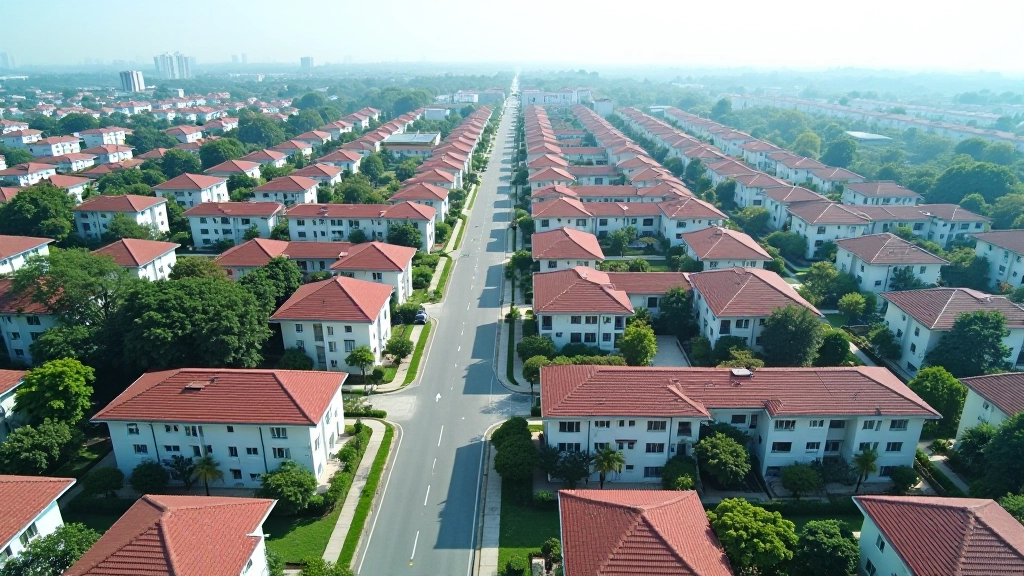

These policies are progress. They’re not perfect though. Land scarcity remains the core constraint. Even with subsidies and better lending terms, there’s only so much affordable land available in desirable locations. Most new affordable housing still gets built in areas with longer commutes or fewer amenities.
Implementation varies wildly between states. Federal programs work differently depending on whether you’re buying in Selangor, Penang, or Johor. Some state governments are more aggressive with their own supplementary schemes, while others lag. That inconsistency creates confusion and means your options depend heavily on location.
Maintenance of these programs matters too. Previous affordable housing initiatives got watered down or abandoned when political priorities shifted. There’s no guarantee these 2025-2026 policies stick around unchanged. That uncertainty makes long-term planning trickier for families trying to commit to a purchase.
PR1MA and MyHome schemes now target lower price points and offer more flexible down payment requirements. RM 15 billion allocated over five years shows real commitment.
Better lending standards, transparent fee structures, and longer loan tenures make qualifying easier. Monthly payments are becoming more manageable for middle-income buyers.
Mixed-income neighborhoods are becoming standard. Efficient construction methods are keeping costs down. Cities are becoming more livable for diverse income levels.
This article provides educational information about Malaysia’s affordable housing policies as of March 2026. It’s not financial advice or legal guidance. Housing policies, government schemes, mortgage terms, and lending requirements change frequently. Always consult with a qualified financial advisor, mortgage broker, or real estate professional before making property purchase decisions. Specific eligibility requirements, program details, and available options vary by state and individual circumstances. Verify current program requirements directly with relevant government agencies or licensed institutions.