
Urbanisation Effects on Housing Economics
How rapid urban growth reshapes property markets, affordability challenges, and housing demand across developing cities
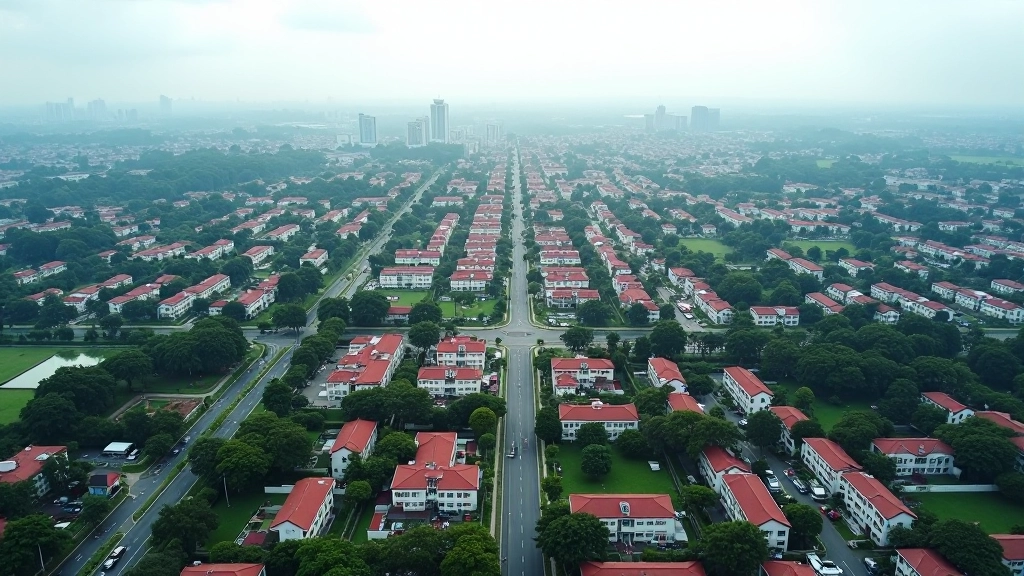
Understanding Urban Housing Pressure
Cities aren’t static. They grow, shift, and transform — sometimes faster than anyone expects. When urbanisation accelerates, housing markets respond in ways that ripple through entire economies. Property prices climb. Affordability tightens. Rental markets shift. Investment patterns change.
We’re seeing this play out globally, and it’s particularly visible in rapidly developing regions where migration to cities outpaces housing construction. The economics are straightforward: demand exceeds supply, prices rise. But the real story’s more complex. It’s about demographics, policy decisions, construction capacity, and the fundamental tension between where people want to live and what they can actually afford.
This shift creates both opportunities and challenges. Property investors find emerging markets attractive. Developers expand projects. But families struggle with down payments. Young professionals delay homeownership. Communities transform as neighborhoods gentrify.

The Supply-Demand Imbalance
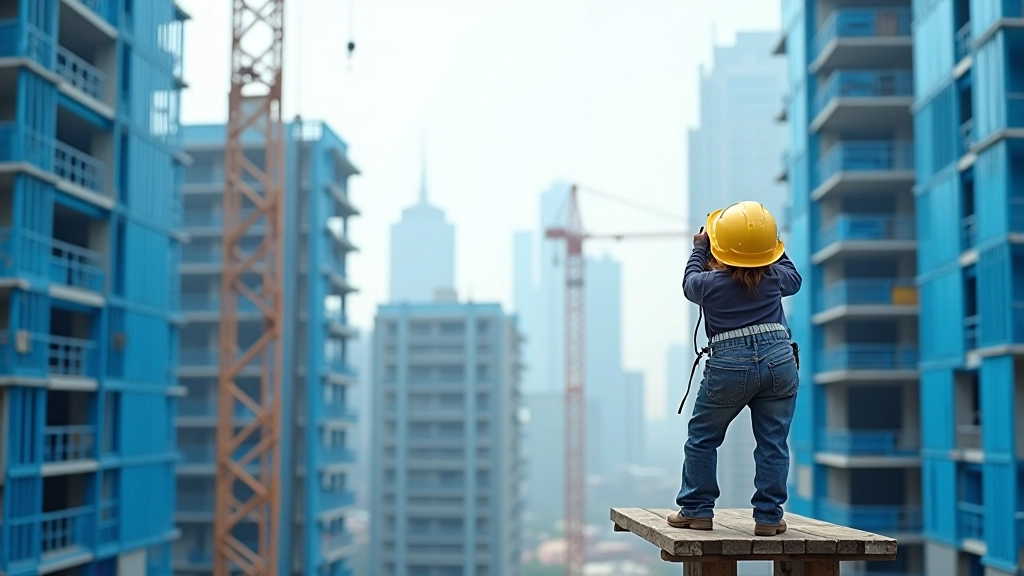
Rural-to-urban migration creates housing pressure almost immediately. People move to cities for jobs, education, healthcare, and opportunity. They don’t move slowly — migration waves create sudden spikes in housing demand. Cities that’ve historically housed 2 million residents might absorb 300,000 newcomers in five years. That’s massive pressure on the existing stock.
Construction can’t always keep pace. Building apartments takes 18-36 months from planning approval to occupancy. During that time, thousands more people arrive looking for housing. The gap widens. Prices climb because there’s simply not enough units available at any price point.
“In rapidly urbanising regions, housing construction typically lags demand by 3-5 years. That gap is where affordability crises develop.”
Property investors notice this gap immediately. They see rising prices, limited inventory, and strong demand. Capital flows in. Prices accelerate further. What started as a natural supply shortage becomes compounded by investment speculation.
Affordability Crisis Mechanics
Affordability’s typically measured as a ratio: median home price divided by median annual household income. When that ratio hits 5:1 or higher, housing’s considered unaffordable for average earners. Many urbanising cities hit 7:1 or 8:1 ratios within a decade.
The squeeze affects different groups differently. Entry-level buyers face the harshest pressure. A first-time homebuyer in an urbanising city might need 15-20 years to save a down payment, while prices rise faster than savings accumulate. Renters aren’t better off — landlords raise rents to match rising property values, capturing that increased value immediately.
Key Pressure Points
- Down payments become unattainable for young professionals
- Rental markets tighten as landlords chase investment returns
- Middle-income households get squeezed out of preferred neighborhoods
- Commute times increase as affordable housing moves further from job centers
- Informal housing and slums expand in unregulated areas


Policy Responses and Interventions
Governments can’t ignore housing affordability. It affects electoral prospects, social stability, and economic growth. Common policy responses include affordable housing mandates, rent controls, down payment assistance programs, and zoning reforms that encourage denser development.
Malaysia’s implemented several initiatives targeting this exact problem. Affordable housing schemes, first-time buyer assistance programs, and property developer requirements to include units for lower-income households all aim to expand supply or improve access. They’ve had mixed success — helping some groups while potentially limiting housing supply in other ways.
The challenge with policy intervention is timing. Regulations take years to implement. Construction takes years to complete. Market pressures move fast. By the time a new affordable housing program launches, prices have often already climbed further, reducing the program’s impact.
Broader Economic Consequences
Housing economics doesn’t exist in isolation. When urbanisation drives up property costs, it cascades through the entire economy. Businesses pay more for commercial real estate, increasing operating costs. Employees demand higher wages to afford housing, putting pressure on company budgets. Young professionals delay family formation because they can’t afford suitable housing. Skilled workers leave cities for more affordable regions.
Some effects are positive. Property owners build wealth. Construction industries boom. Related sectors — real estate services, financing, property management — expand. Tax revenues increase. But these benefits concentrate among existing property owners and real estate professionals, while costs spread across renters and first-time buyers.
There’s also a productivity angle. When workers spend 90 minutes commuting because affordable housing’s far from job centers, that’s lost productivity, increased stress, and reduced quality of life. When young talent can’t afford to live in opportunity-rich cities, those cities lose potential contributors.

Key Takeaways
Urbanisation and housing economics are inseparable. As cities grow, housing demand accelerates faster than construction can respond. This creates affordability pressures that ripple through entire economies — affecting down payment accessibility, rental markets, neighborhood composition, and worker productivity.
The economics are straightforward: limited supply + growing demand = rising prices. But solutions are complex. They require coordinated policy action, zoning reforms, construction capacity expansion, and long-term planning. Short-term market interventions often create unintended consequences, while comprehensive solutions take years to implement.
Understanding these dynamics matters whether you’re a policymaker, investor, property professional, or simply someone trying to afford housing in an urbanising city. The forces reshaping housing markets aren’t random — they’re predictable consequences of rapid urbanisation meeting limited housing supply.
Explore Related Topics
Interested in diving deeper into housing economics? We’ve got comprehensive guides on property price indices, affordable housing policy, and mortgage market trends.
Related Articles


Educational Disclaimer
This article provides educational information about urbanisation’s effects on housing economics and market dynamics. It’s intended to build understanding of economic concepts and policy frameworks, not to offer investment advice or predict specific market outcomes. Housing markets vary significantly by location, policy environment, and economic conditions. If you’re making property investment decisions or evaluating housing affordability for personal circumstances, we recommend consulting with qualified financial advisors, real estate professionals, or local policy experts who understand your specific situation. Market conditions change, policies evolve, and individual circumstances differ — what’s accurate today may shift tomorrow.