

Understanding Malaysia’s Residential Property Price Indices
How property price indices track market movements and what rising or falling prices mean for buyers and investors in different regions.
Read MoreExploring residential property trends, mortgage dynamics, and how urbanisation shapes Malaysia’s housing landscape
Understanding property price movements, affordable housing policies, and economic effects on communities across the nation
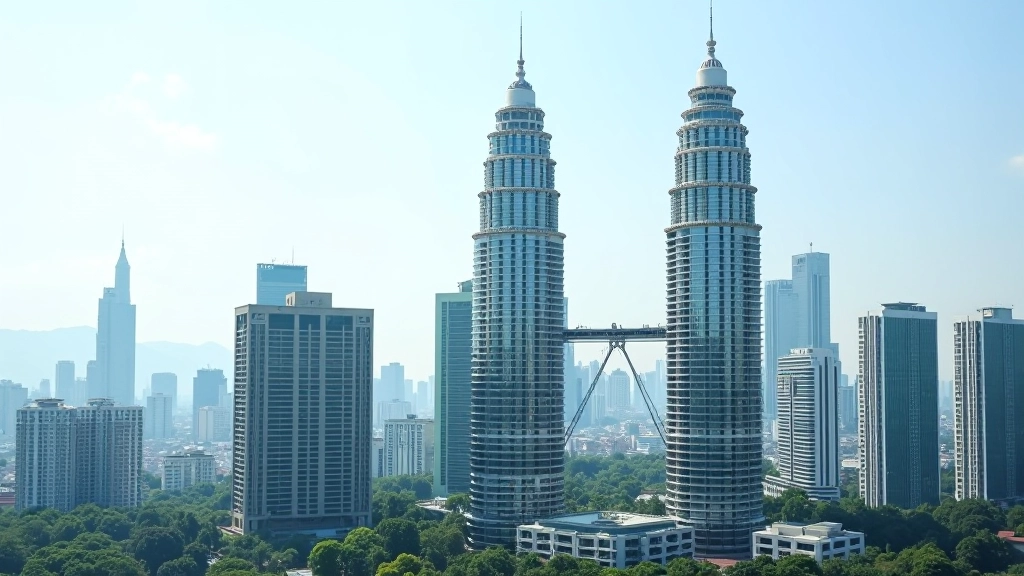
In-depth analysis of Malaysia’s residential property market and housing economics
How property price indices track market movements and what rising or falling prices mean for buyers and investors in different regions.
Read More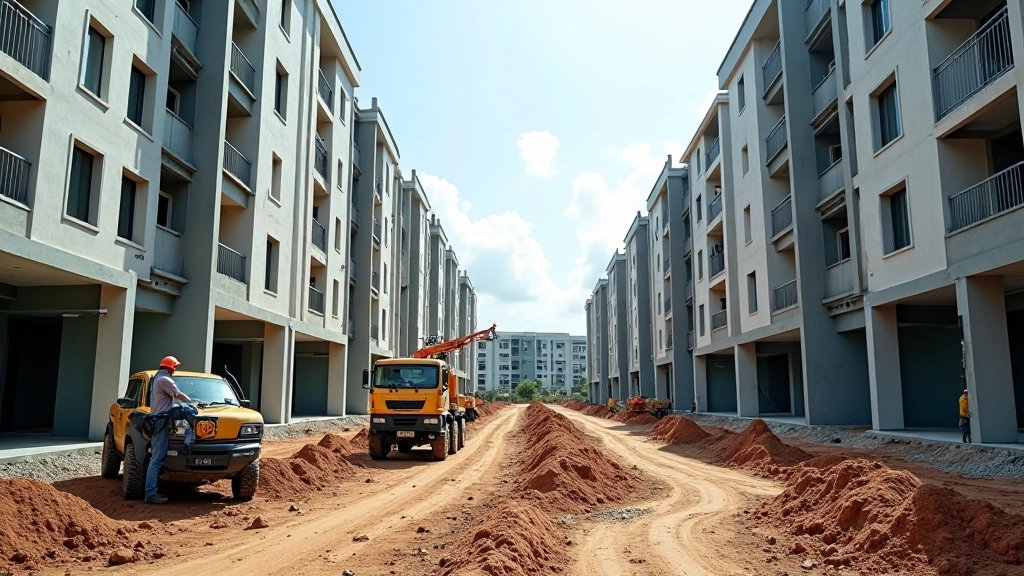
Overview of Malaysia’s affordable housing initiatives, government schemes, and how policies are trying to address the housing affordability crisis.
Read More
Current mortgage rates, lending practices, and how interest rate changes affect home buyers’ affordability and monthly payment obligations.
Read More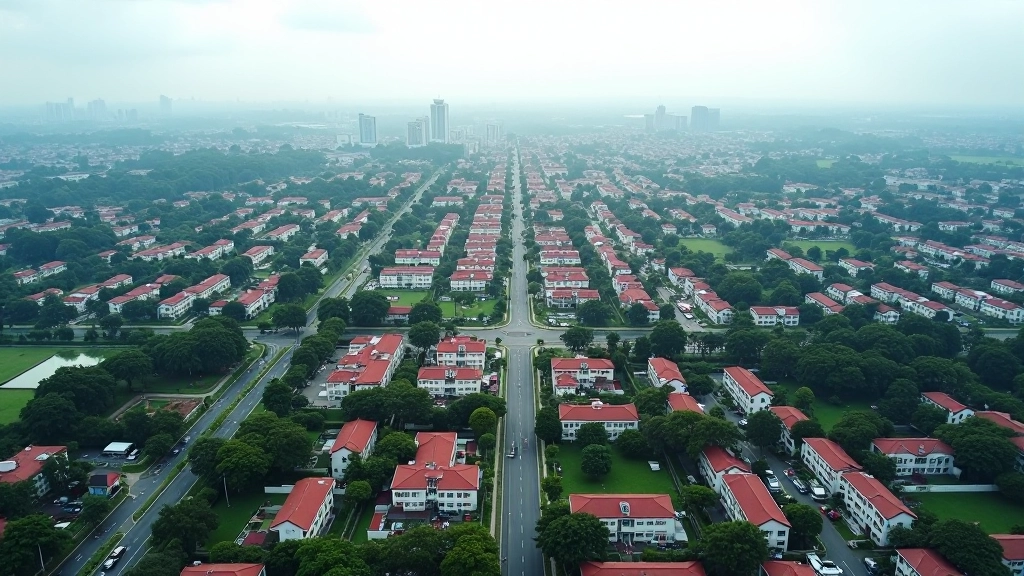
How rapid urbanisation drives property prices, shapes demand for housing, and creates both opportunities and challenges for affordable living in cities.
Read MoreAnnual price growth in prime urban areas like Kuala Lumpur and Selangor
Average house price to annual income ratio in major cities
Proportion of first-time buyers struggling with down payment requirements
Affordable housing units needed to address current shortage
Property prices don’t move randomly. There’s real economic logic behind market movements.
Proximity to work centers, schools, public transport, and hospitals directly impacts property values. New highways and rail lines can increase nearby property prices significantly.
When a city’s economy grows and jobs increase, demand for housing rises. Cities with strong job markets see faster property price appreciation.
Lower interest rates make mortgages more affordable, increasing buyer demand. Higher rates reduce purchasing power and can slow price growth.
Rapid urbanisation and people moving to cities for better opportunities create housing demand that outpaces supply, pushing prices upward.
Key terms and concepts you’ll encounter when researching Malaysia’s property market
A measurement that tracks changes in residential property prices over time. It’s like taking the pulse of the property market — showing whether prices are rising, falling, or staying stable.
Government programs designed to help lower and middle-income families buy homes. These include subsidised prices, easier loan approval, and government guarantees for mortgages.
The percentage of the property price that banks will lend you. A 90% LTV means the bank lends 90% and you pay 10% as a down payment. Higher LTV makes buying easier but riskier for lenders.
The interest rate that banks use as a reference for mortgages. When the central bank changes rates, it affects what you’ll pay monthly on your home loan.